(Getty Images: Krongkaew)
For decades, the 10,000-step goal has been the gold standard for daily fitness. We’ve all been there, pacing our living rooms at 10 PM just to hit that magic number. But what if we've been tracking the wrong metric all along?
A recent Harvard-led study, highlighted in the Times of India, reveals a "hidden danger" that has nothing to do with your step count. The study introduces a new metric called Daily Heart Rate Per Step (DHRPS), and it’s a game-changer.
The Problem: It’s Not Just If You Move, It’s How You Respond
The study found that simply counting steps is a poor indicator of cardiovascular health. What truly matters is your heart's efficiency in response to that movement.
Here’s the breakdown:
- DHRPS is calculated by dividing your average daily heart rate by your average daily step count.
- A low DHRPS score is ideal. It means your heart is efficient, strong, and doesn't have to work hard to support your daily activity.
- A high DHRPS score is the "hidden danger." It indicates your heart is working overtime, and the study strongly links these high scores to an increased risk of chronic diseases like hypertension, type 2 diabetes, and heart failure.
The takeaway is clear: 10,000 steps with a stressed, inefficient heart is far less healthy than 5,000 steps with a strong, efficient one. The question is no longer "Did you move enough?" but "How is your body handling the movement you do?"
The Missing Link: Why Social and Emotional Learning (SEL) is a Heart Health Issue
So, what causes a high resting heart rate and poor cardiovascular efficiency? It’s not just a lack of physical training. A huge, often-overlooked factor is our mental and emotional state.
This is where Social and Emotional Learning (SEL) comes in.
SEL is the framework through which we manage emotions, handle stress, maintain positive relationships, and make responsible decisions. When our SEL skills are low, we exist in a state of chronic stress, anxiety, and emotional reactivity.
This constant "fight-or-flight" mode has a direct, physical impact:
- It elevates your resting heart rate.
- It reduces your heart rate variability (HRV).
- It directly contributes to the poor cardiovascular efficiency and high DHRPS scores that the Harvard study identified as so dangerous.
You cannot separate your emotional well-being from your physical heart health. They are one and the same.
The Solution: How Heart Zones Connects It All
This is precisely the problem Heart Zones was built to solve. We provide the tools to bridge the gap between your movement, your emotional state, and your physical heart data.
Here’s how the Heart Zones system addresses both the Harvard study's findings and the SEL connection:
- We Move Beyond Steps: Just as the study advocates, the Heart Zones system shifts your focus from the empty metric of steps to the real data that matters: your heart rate. You stop guessing and start knowing.
- We Make Data Actionable: The Harvard study identifies the problem (a high DHRPS). Heart Zones provides the solution. By training in your five personalized heart rate zones, you are actively improving your heart's efficiency.
- Zone 1 (Blue): Actively lowers your resting heart rate and aids in recovery.
- Zone 2 (Green): The "endurance" zone, which is the single best way to build cardiovascular efficiency and directly lower your dangerous DHRPS score.
- Zones 3-5 (Yellow/Red): Safely build power and aerobic capacity, making your heart stronger and more resilient.
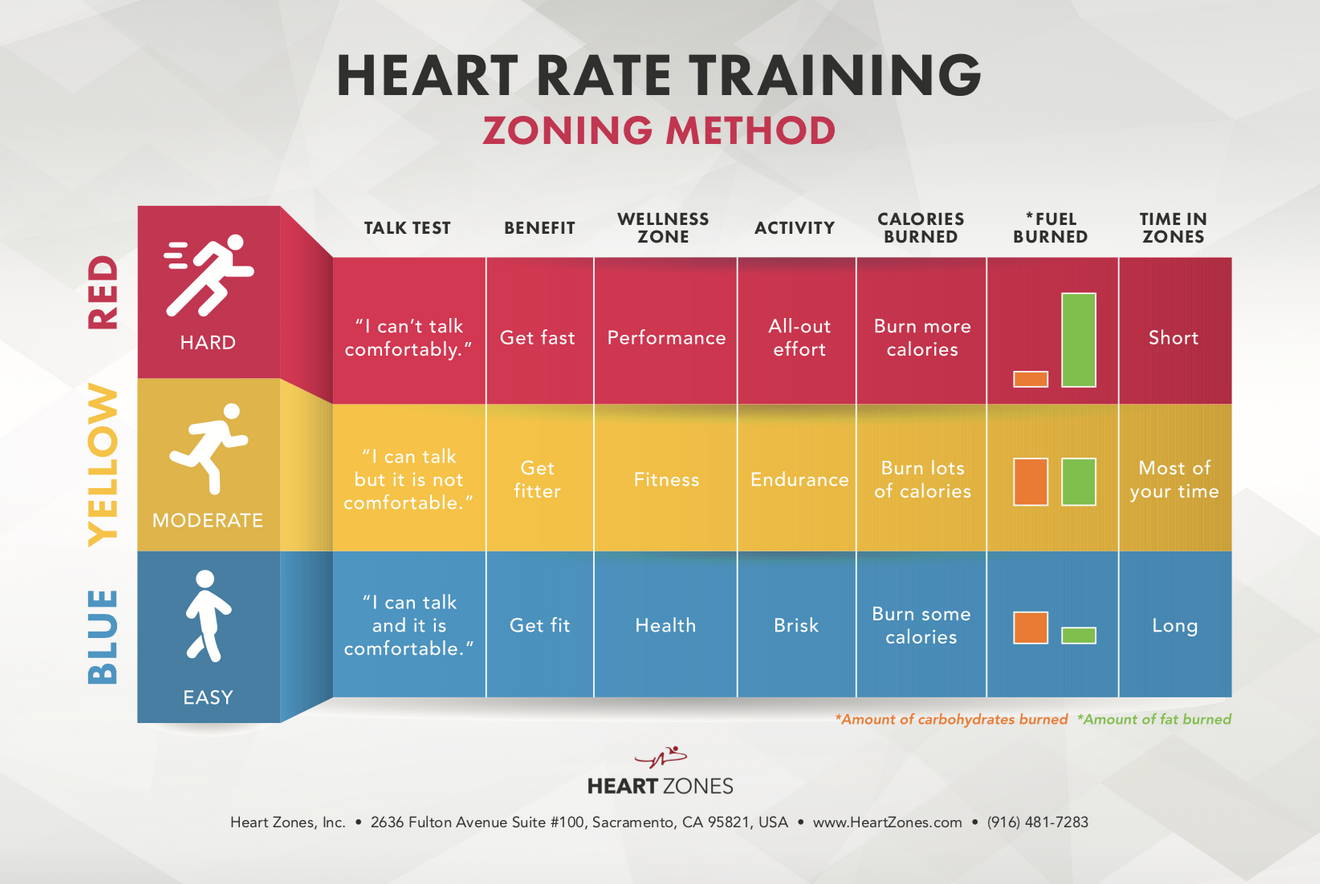
- Zone 1 (Blue): Actively lowers your resting heart rate and aids in recovery.
- We Make SEL Tangible: This is the most powerful part. Heart Zones acts as a real-time biofeedback tool for your emotional state.
- See the Stress: Ever felt "stressed"? Now you can see it. You’ll notice your heart rate creeping into Zone 1 or 2 while you’re just sitting at your desk in a stressful meeting.
- Measure the Calm: You can also see the direct physical benefits of SEL practices. Watch your heart rate drop as you use a mindfulness app. See how a 20-minute Zone 2 walk after work brings your baseline down.
With Heart Zones, you’re not just training your body; you’re training your nervous system. You are building the emotional resilience that is foundational to the physical resilience the Harvard study calls for.
Stop Counting, Start Training
True health isn't a number on a step tracker. It's the vital, powerful synergy between a calm mind, an efficient heart, and intentional movement.
It's time to stop chasing an empty number and start training what matters.